
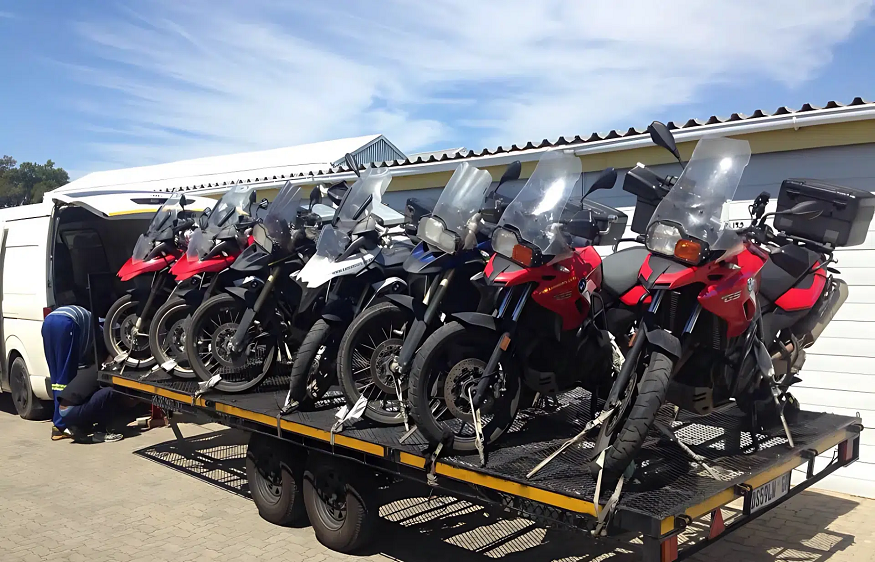
Motorcycles present a different set of logistics challenges than four-wheeled vehicles. They cannot be driven onto a carrier under the same conditions, they require specific securing methods to avoid damage in transit, and the range of carriers equipped to handle them properly is narrower than most riders assume when they start looking.
That does not make shipping a motorcycle complicated. It makes it a process that rewards a bit of research before booking rather than after.
When Riders Choose to Ship Instead of Ride
The most common scenario is a long-distance relocation. A rider moving from Vancouver to Toronto is looking at a four to five day ride under good conditions — manageable for some, not appealing for others, and genuinely impractical during shoulder season when mountain passes and northern Ontario can throw weather that makes the trip uncomfortable or dangerous.
Read More : Why Choose Hero Glamour Xtec From The 125CC Segment? Features, Price And More
Shipping also makes sense when a bike is purchased remotely. Online marketplaces have made it easy to find a specific make, model, and year across the country. Once the deal is done, flying out and riding home is not always practical, and it adds mileage to a bike the new owner just paid to acquire.
Seasonal transport is another common use case. Riders who winter in warmer climates — or who want their bike at a specific destination for a touring season — ship rather than ride because the trip itself is not the point. The destination is.
How Motorcycle Transport Actually Works
Unlike cars, which are driven onto carriers and held in place by wheel straps and chocks, motorcycles require more deliberate securing. They are typically loaded into a crate or wooden pallet system, or secured upright in a dedicated motorcycle trailer using frame straps and soft ties that avoid contact with painted or chrome surfaces.
The method varies by carrier. Some specialize exclusively in motorcycle transport and have refined crating and securing systems that minimize any risk of contact damage during transit. Others handle motorcycles alongside cars and freight using more general methods. Asking specifically how a carrier secures motorcycles before booking is not excessive — it is the right question to ask.
Crated transport offers the highest level of protection. The bike is immobilized inside a wooden enclosure that prevents movement regardless of road conditions during transit. It is generally the preferred method for long-haul shipments, valuable bikes, or any situation where the owner wants maximum confidence that the bike will arrive in the same condition it left.
Choosing the Right Carrier for a Motorcycle
Not every auto transport carrier handles motorcycles. Of those that do, not all have the same level of experience or equipment. The selection process for a motorcycle shipment should be more deliberate than for a standard passenger vehicle, simply because the field of capable carriers is smaller.
Carriers who specialize in motorcycle transport will be familiar with the specific securing requirements for different bike types. A cruiser, a sport bike, and an adventure tourer each have different frame geometry, weight distribution, and surface sensitivities. A carrier who handles these regularly will know how to account for those differences. One who treats a motorcycle like a small car will not.
Ask about cargo insurance limits as part of the vetting process. Motorcycles, particularly late-model or custom builds, can carry significant value that exceeds standard carrier liability caps. Understanding the coverage gap before the bike ships gives you time to arrange supplemental insurance rather than discovering the gap after a claim. Motorcycle shipping through a carrier with specific two-wheel experience is worth the effort to find.
Preparing Your Motorcycle for Transport
Preparation for a motorcycle shipment follows a similar logic to car transport but with a few additional considerations specific to two-wheeled vehicles.
Fuel should be reduced to a quarter tank or less. Some carriers require the tank to be nearly empty, particularly for air freight or enclosed transport. Confirm the requirement with your carrier at booking rather than at pickup.
Disconnect the battery or fit a battery tender if the transit time is long and the bike’s electronics draw a standing current. A dead battery on arrival is a minor inconvenience that is easy to prevent. Remove any loose accessories — tank bags, saddlebags, GPS mounts — that could shift or detach during transit. These items are not covered by carrier insurance and can become a liability if they damage other freight.
Document the bike thoroughly before handover. Photographs of the bodywork, chrome, exhaust, and any custom components create the baseline record needed if a damage claim arises at delivery. Review the carrier’s condition report carefully before signing and flag any existing scratches or marks that are not captured.
Transit Times and Scheduling on Canadian Routes
Transit times for motorcycle shipments on major Canadian corridors are broadly similar to those for passenger vehicles, though the scheduling can be less predictable because dedicated motorcycle carriers run less frequently than open auto transport networks.
On a Vancouver to Toronto route, expect ten to fourteen days as a general estimate. Calgary to Montreal may run similarly. Smaller origin or destination cities add variability, as carriers may consolidate loads from regional pickup points before the main run begins.
Lead time matters more for motorcycle shipments than for standard car transport. Two to three weeks of advance booking on a major route is a reasonable minimum. During peak riding season — May through September — demand increases and scheduling windows tighten. Riders planning a seasonal transport should book earlier than feels necessary rather than later than is comfortable. Vehicle shipping across Canada for motorcycles follows the same seasonal patterns as the broader transport market, and the carriers with the best track records fill up first.
Insurance During Transit
Motorcycle insurance in Canada is provincially regulated, and most standard policies were written with riding in mind rather than carrier transport. Confirm with your insurer that the policy remains valid during a commercial transport shipment and that coverage does not lapse because the bike is not being operated.
Agreed value policies, which pay a predetermined amount rather than depreciated market value in the event of a total loss, are appropriate for any motorcycle where the owner’s financial exposure exceeds what a standard policy would cover. Custom builds, vintage bikes, and low-production models often fall into this category.
The carrier’s cargo insurance is a secondary layer, not a replacement for your own coverage. Knowing both limits before the bike ships means you can make an informed decision about supplemental transit insurance rather than relying on assumptions that may not hold up if something goes wrong.
Cross-Country Purchases and One-Way Shipments
Buying a motorcycle from a private seller or dealer in another province and arranging transport home is a growing part of the motorcycle shipping market. The same online marketplace dynamics that expanded the used car search nationally have done the same for bikes, and the logic is identical: the right model at the right price may simply not exist locally.
Read More : What makes the BMW R 1250 GS Adventure one of the Best Adventure Bikes in India?
For these shipments, coordinate with the seller on pickup logistics before finalizing the transport booking. The carrier needs a point of contact at the origin who can hand over the bike, sign the condition report, and confirm the pickup window. If the seller is a private individual with limited flexibility, building that into the scheduling conversation early avoids complications on pickup day.
Auto transport carriers that handle both cars and motorcycles can sometimes accommodate a combined shipment if a buyer is also moving a vehicle, which may reduce overall logistics complexity and cost on the right route.
Frequently Asked QuestionsCan I ship a motorcycle that is not currently registered?
Yes, in most cases. Carriers transport unregistered vehicles regularly, including bikes being moved for sale or restoration. You will need proof of ownership and the carrier will need accurate vehicle details for their documentation. Confirm the specific requirements with your carrier at booking.
Is crated transport always better than strap-secured transport?
For long-haul routes and valuable bikes, crating generally offers more protection. For shorter routes or bikes where surface sensitivity is less of a concern, experienced strap-and-chock securing by a carrier who knows motorcycles is often entirely adequate. The right choice depends on the bike, the route, and the carrier’s specific method.
What if my motorcycle is a custom build with non-standard dimensions?
Disclose this at booking with as much detail as possible. Width, height, and weight all affect how the bike can be secured and what equipment the carrier needs to bring. Carriers experienced with custom and modified motorcycles will ask the right questions; those without that experience may not, which is another reason to vet carrier-specific experience before committing.