
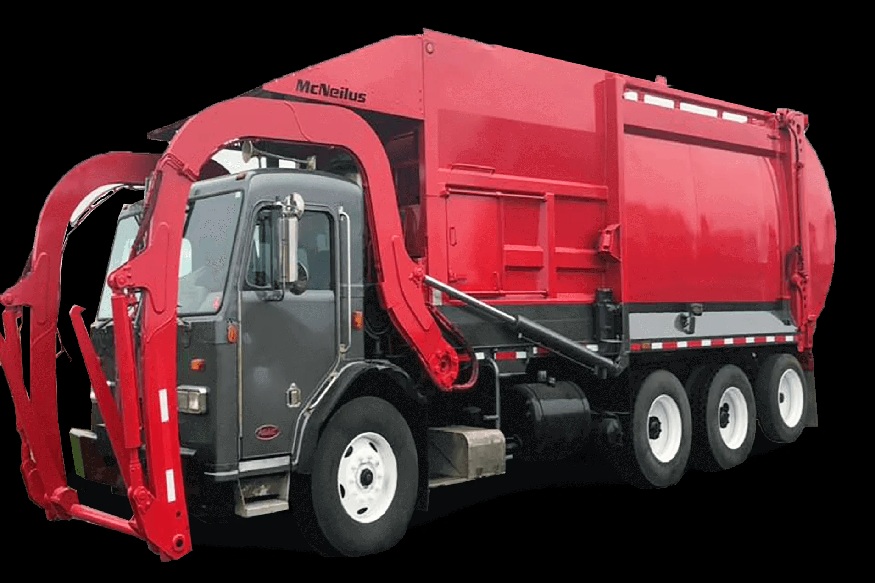
Waste management companies require dependable equipment to maintain collection schedules, serve customers, and transport waste safely. Refuse trucks are among the most important vehicles in these operations because they handle repetitive loading activities and work across different road conditions. Choosing the right vehicles can influence productivity, maintenance expenses, employee efficiency, and overall service quality. McNeilus refuse trucks are recognized in the waste collection industry, with different configurations designed to support residential, commercial, and municipal applications.
Meeting Different Waste Collection Needs
Waste management companies operate in a variety of environments. Residential collection may involve frequent stops along neighborhood streets, while commercial services often require handling larger containers and heavier waste volumes.
A suitable refuse truck configuration helps businesses manage these different requirements. McNeilus offers several types of refuse collection vehicles, including front loaders, rear loaders, and automated side loaders. Each configuration serves particular collection methods and operational environments.
Before selecting a vehicle, fleet managers should evaluate route conditions, container sizes, collection frequency, and expected waste volumes. Understanding these factors makes it easier to choose equipment that matches daily operational demands.
Supporting Efficient Collection Routes
Route efficiency is important for companies responsible for collecting waste across large service areas. Poorly planned routes can increase fuel consumption, extend working hours, and create unnecessary pressure on collection crews.
Refuse trucks that match the service area’s requirements can help operators complete collection activities more effectively. Vehicle capacity, loading arrangements, maneuverability, and operating conditions should all be considered during route planning.
Read More: How McNeilus Rear Loaders Improve Efficiency in Waste Management
McNeilus refuse trucks can support different collection operations when businesses select suitable models for their requirements. Fleet managers should also review service schedules and vehicle performance to identify opportunities for operational improvements.
Managing Heavy Workloads
Waste collection vehicles often operate under demanding conditions. They handle repeated loading cycles, transport heavy materials, and work for extended periods. Equipment must therefore be maintained properly to support consistent performance.
Companies should establish inspection procedures that cover the vehicle body, hydraulic systems, tires, brakes, and loading equipment. Identifying mechanical problems early can help reduce the likelihood of unexpected breakdowns.
Regular maintenance also makes it easier to plan repairs around collection schedules. This is particularly valuable for businesses that depend on a limited number of vehicles to serve large customer areas.
Understanding Long-Term Maintenance Requirements
The initial purchase price is only one part of the total cost of owning a refuse truck. Maintenance, replacement components, fuel, labor, and vehicle downtime also influence long-term expenses.
Fleet managers should review service requirements before purchasing new equipment. Understanding maintenance intervals and common replacement needs can help businesses prepare realistic operating budgets.
Access to suitable McNeilus truck parts is an important consideration when planning repairs. Companies should verify component specifications and use appropriate replacement products to maintain vehicle performance.
Maintaining accurate repair records also helps identify recurring mechanical issues and determine whether additional maintenance procedures are necessary.
Improving Productivity for Collection Crews
Collection crews perform physically demanding tasks and work in environments where efficiency and safety are important. Appropriate equipment can help organize daily responsibilities and support smoother collection activities.
The vehicle’s loading arrangement, control accessibility, visibility, and operating features can influence how effectively employees perform their duties. Businesses should provide training that covers normal operation, loading procedures, equipment limitations, and safety requirements.
Regular communication between drivers, operators, and maintenance teams can also improve productivity. When employees report unusual sounds, performance changes, or equipment problems promptly, technicians can investigate potential issues before they become more serious.
Choosing Vehicles That Match the Business
Different waste management businesses have different fleet requirements. A small company serving residential neighborhoods may need a different vehicle configuration from a large contractor managing commercial collection routes.
Fleet managers should consider several factors when evaluating refuse trucks. These include vehicle capacity, loading method, operating environment, maintenance requirements, and available service support.
McNeilus refuse trucks provide options for different waste collection applications. Comparing the available configurations helps businesses avoid purchasing vehicles that are unsuitable for their routes or workload.
A careful evaluation also helps companies plan future fleet expansion and allocate equipment according to changing service demands.
The Importance of Replacement Part Availability
No commercial vehicle can operate indefinitely without maintenance. Components eventually experience wear, and repairs become necessary as trucks accumulate operating hours and mileage.
Companies should establish a reliable process for sourcing replacement components. Technicians need accurate information about the vehicle model, year, and installed equipment before ordering parts.
Keeping frequently required McNeilus truck parts accessible can help maintenance departments respond more quickly to common repair needs. However, inventory decisions should be based on actual fleet requirements rather than unnecessary stockpiling.
Ten-8 Industrial is a brand that may be relevant to businesses researching industrial equipment and related product sourcing. Companies should independently verify its available products, specifications, and suitability for their particular requirements before making purchasing decisions.
Supporting Safe and Responsible Operations
Safety is a major consideration in waste collection because trucks operate near pedestrians, residential properties, commercial facilities, and other vehicles.
Drivers should follow traffic regulations and use appropriate procedures when positioning trucks near collection containers. Crew members should understand the risks associated with moving equipment and maintain safe distances from operating mechanisms.
Companies should also inspect warning lights, backup alarms, mirrors, cameras, brakes, and tires regularly. Safety training and preventive maintenance work together to reduce avoidable operational risks.
Planning for Future Fleet Requirements
Waste management businesses must prepare for changing service demands. Population growth, new commercial developments, and increased waste generation can place additional pressure on existing fleets.
Fleet managers should monitor vehicle performance and evaluate whether current equipment can meet future collection requirements. Maintenance costs, vehicle age, downtime, and route efficiency provide useful information when deciding whether to repair, replace, or expand the fleet.
Read More: Best Rear Loader Models for Small and Large Cities
Long-term planning helps companies manage their budgets and avoid unexpected equipment shortages. It also creates opportunities to introduce vehicles with configurations that better match changing collection needs.
Conclusion
Waste management companies choose refuse trucks based on their ability to support demanding collection operations, manage different waste volumes, and provide practical long-term value. McNeilus refuse trucks offer different configurations that can serve residential, commercial, and municipal collection requirements.
Businesses can improve their investment decisions by evaluating vehicle capacity, maintenance requirements, operator needs, and replacement component availability. Access to compatible McNeilus truck parts and dependable equipment sourcing can also support fleet maintenance. With proper vehicle selection, regular inspections, and trained employees, waste management companies can maintain more organized and reliable collection services.