
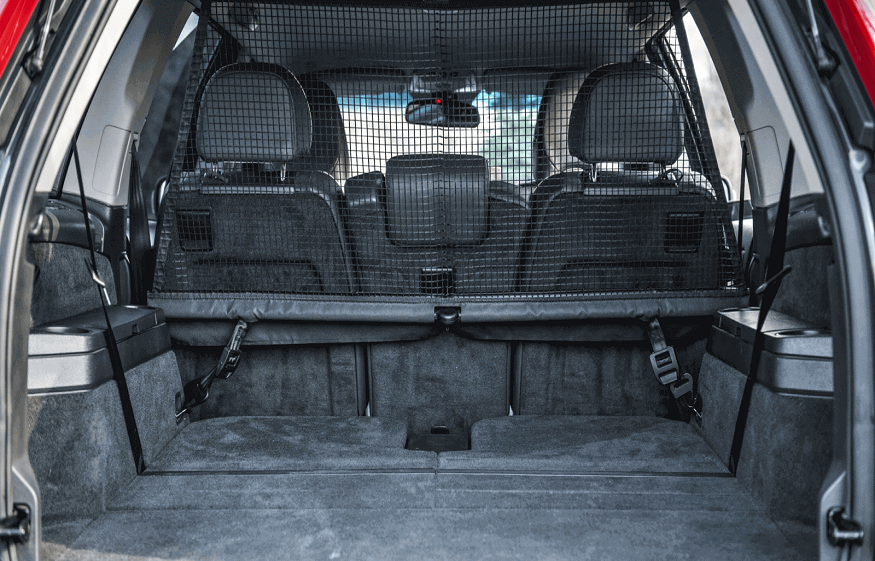
Why boot organisation matters more than people think
Open the boot of the average car and you’ll usually find some mix of old shopping bags, a forgotten umbrella, and whatever didn’t quite fit anywhere else. It’s an easy space to neglect, mostly because nothing in there seems urgent, until the day it is. A flat tyre on a wet motorway hard shoulder, a sudden puncture miles from the nearest garage, or simply needing a torch after dark are all moments where a properly stocked boot stops being a nice-to-have and becomes the difference between a minor inconvenience and a genuinely stressful evening.
The good news is that getting a boot properly organised doesn’t take much time or money. It’s really a question of deciding what actually belongs in there, finding a sensible way to keep it contained, and then checking on it every so often so things don’t quietly go out of date or go missing. The sections below cover the categories worth thinking about, roughly in order of how often you’ll actually reach for them.
The safety kit that should never leave your car
This is the category most drivers underestimate until they need it. A warning triangle, a hi-vis vest for each regular occupant, a basic first aid kit, and a torch with working batteries cover most of what UK law expects and most of what common sense suggests. If you’re regularly driving further afield or at night, it’s worth adding a foil blanket and a portable phone charger as well, neither takes up meaningful space, and both earn their keep the one time you actually need them.
Rather than assembling this piecemeal, it’s usually easier and cheaper to put a complete kit together in one go. CarSmart’s safety and PPE range covers the full list above and is a sensible starting point if your current kit is looking thin, out of date, or simply doesn’t exist yet.
Tools worth keeping within reach
You don’t need a full workshop in your boot, but a handful of basic tools make a genuine difference when something small goes wrong away from home. A tyre pressure gauge, a set of jump leads, a small tool roll with the basics (screwdrivers, pliers, a adjustable spanner), and a tyre inflator or sealant kit will sort out the vast majority of roadside niggles without needing to call anyone out.
If you’re putting a kit together from scratch, CarSmart’s tools and workshop section has the individual pieces as well as a few bundled kits, which tend to work out cheaper than buying everything separately.
Travel and comfort extras
Beyond safety and tools, there’s a smaller category of items that aren’t strictly essential but make longer trips noticeably easier, a decent cool bag, a set of reusable travel cups, a blanket for colder months, and a boot organiser to stop everything sliding around on corners. None of these matter on the school run, but they matter a great deal on a four-hour drive to visit family or a weekend away.
CarSmart’s travel and leisure range is worth a browse before a longer trip, it’s aimed specifically at this kind of practical, pack-it-once-and-forget-about-it travel kit rather than general car accessories.
Keeping it all organised
None of the above is much use if it’s all loose in the boot, sliding into the wheel arches every time you brake. A proper boot organiser, ideally one with separate compartments or a rigid base, keeps everything upright, accessible, and out of the way of actual luggage. It also makes it obvious at a glance if something’s missing, which is the easiest way to catch a problem before it becomes one.
A browse through CarSmart’s wider car accessories range will turn up a few organiser options at different price points, along with the smaller bits and pieces, cable ties, storage nets, and the like, that make a boot kit easier to live with day to day.
What to leave out, not just what to pack
It’s worth saying the opposite of all this too: a boot that’s simply full of things doesn’t necessarily mean it’s well prepared. Heavy, rarely-used items add unnecessary weight, which has a small but real effect on fuel economy, and clutter makes it harder to find the thing you actually need in a hurry. A good boot kit is deliberately curated rather than accumulated, if you haven’t reached for something in over a year and it isn’t safety-related, it’s probably worth reconsidering whether it earns its place.
Read More: Why Every Locksmith Should Master EEPROM Programming and Key Cutting Today
This is especially worth bearing in mind if you’re setting a kit up for the first time rather than adjusting an existing one. It’s tempting to buy everything that looks potentially useful in one go, but a more sensible approach is to start with the genuinely essential categories, safety, basic tools, a weatherproof layer, and only add the extras once you’ve got a feel for what you actually use.
Families and longer journeys need a slightly different kit
A boot kit that works well for a daily commute often falls short for family trips or longer journeys, simply because the margin for something going wrong, a child needing entertaining during a delay, a long stretch without services, unpredictable weather on a route you don’t know well, is wider. It’s worth keeping a slightly more generous kit for these trips specifically, even if it means swapping a few items in and out rather than carrying everything all the time.
Read More: Does A Reconditioned Engine Supplied and Fitted Increase Your Car’s Resale Value in the UK?
Extra water, snacks that keep well, a change of clothes for younger children, and entertainment that doesn’t rely on a device with limited battery are all worth considering for this category. None of it needs to live in the car permanently, but having a dedicated bag ready to grab before a longer trip means it’s one less thing to think about while already busy packing everything else.
A seasonal boot check is worth the ten minutes
The one habit that makes all of this worthwhile is actually checking the boot every few months, batteries go flat, first aid supplies expire, and summer kit (sun cream, extra water) needs swapping for winter kit (blankets, a scraper) as the seasons change. Tying it to something you already do regularly, like a service or an MOT, is usually the easiest way to make sure it actually happens rather than being a job that gets put off indefinitely.
It’s a small amount of effort for what it buys you: the confidence that if something does go wrong, whether that’s a flat tyre, a sudden downpour, or simply a long and unplanned wait, you’re not starting from nothing. A boot that’s properly thought through once tends to stay that way with only the occasional top-up, rather than needing to be rebuilt from scratch every time.